Nice Try, MLB
The USPTO just told Major League Baseball it can't own "Play Ball. The United States Patent and Trademark Office told Major League Baseball it can't own "Play Ball."

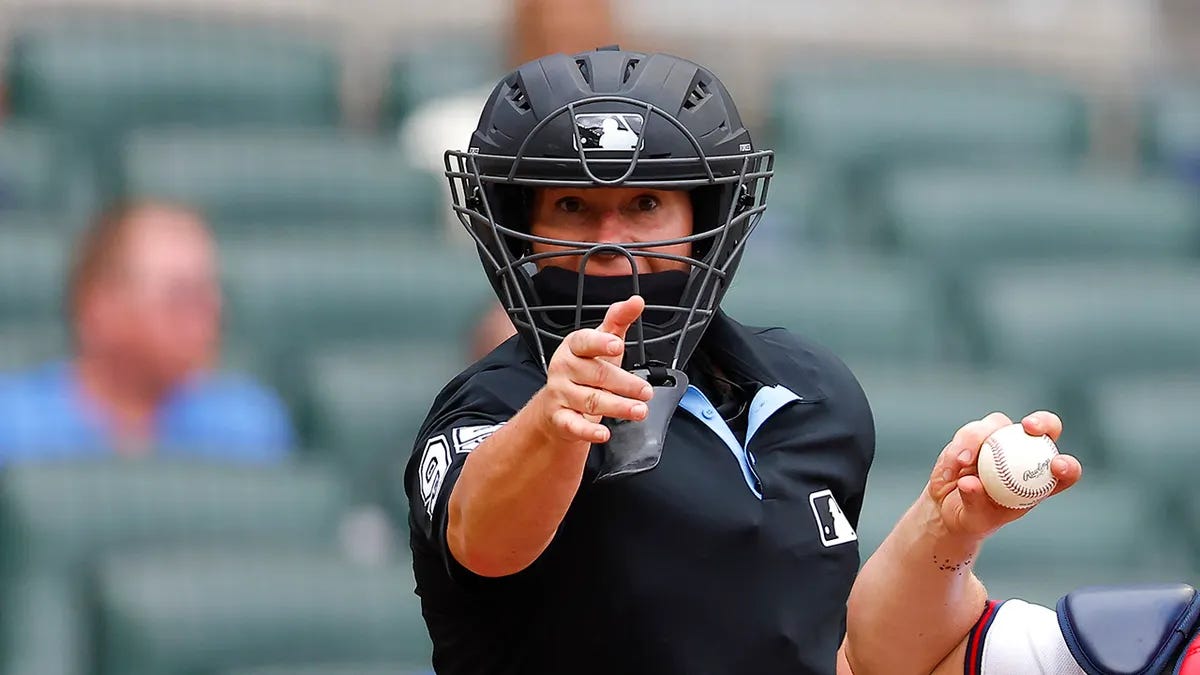
Major League Baseball tried to trademark “Play Ball.”
Let that sit for a second.
The sport invented by Americans, perfected by Americans, and abandoned by Americans between the ages of 18 and 35 tried to own the two words that announce a game is about to start.
The USPTO said no. The phrase is too common, too universal, too much a part of shared life for any single organization to lock down. Which is a polite legal way of saying: you don’t own the game. You just run the league.
The Shakedown
Professional sports is built on a simple hustle: take something fans created through decades of collective love and passion, then charge them to access it.
You want to wear “Play Ball” on a t-shirt? Pay us.
You want to call your pizza shop’s game-day special the “Super Bowl Sub”? The NFL’s lawyers will be in touch.
You want to host a church watch party and advertise it by name? Better check your liability.
The NFL has spent decades terrorizing small businesses, bars, and broadcasters over two words that describe the event everyone is watching.
Not an official sponsor?
Then you didn’t watch the Super Bowl — you watched “the Big Game,” which the league’s lawyers forced the culture to adopt.
It worked.
This is not about intellectual property. Nike’s swoosh tells you who made your shoes. “Play Ball” tells you that a game is starting. These are not the same thing, and leagues know it. This is about taxing the language fans use to talk about things they love.
A Culture the Leagues Didn’t Build
Here’s what gets buried in the licensing agreements and cease-and-desist letters: leagues didn’t create any of this.
Fans did.
Generations of them, showing up in bad weather to watch bad teams, passing the ritual down to their kids, building something that feels less like a product and more like a religion. The leagues are the custodians of that inheritance. They didn’t earn it. They inherited it — and then spent the last fifty years figuring out how to monetize every square inch of it.
Sell the jersey. Fine. Sell the broadcast rights, the stadium naming, the bobbleheads, the mobile app with the in-game betting integration. The commerce is not the problem.
The problem is … claiming ownership over “Play Ball.”
The problem is … suing a bar for a chalkboard sign.
The problem is … building a legal apparatus designed to extract rent from the culture that made you.
Trademark attorney Josh Gerben framed the MLB ruling cleanly: If consumers can’t associate a phrase with a specific company making a specific product, no single company gets to own it. The phrase has to do work as an identifier, not just as a cash register.
“Play Ball” does no such work. It’s what everyone says when the game starts. It has been since before anyone in the commissioner’s office was born.
The USPTO Made the Obvious Call
This ruling won’t change anything structurally. The leagues will keep filing. The lawyers will keep sending letters. “The Big Game” will keep being a thing people say with a straight face.
But occasionally the system works the way it’s supposed to. A government agency looks at a corporation trying to own a piece of the commons and says: no. This one isn’t yours.
“In theory, a trademark has to be capable of identifying the source of goods. If a consumer were to hear a particular phrase, they need to be able to associate that phrase or that name with a company that’s making the product. If the average consumer can’t do that, then the argument is that it’s too general of a phrase or too commonplace of a phrase for one company to own. In this case, they are saying that the phrase has become so ubiquitous and it has this underlying meaning.” — Josh Gerben/USPTO trademark attorney
The USPTO’s job isn’t to protect culture. It’s to sort out who owns what. But occasionally those interests converge, and a bureaucrat in Washington looks at a billion-dollar sports franchise trying to register “Play Ball” and writes, in the careful language of federal procedure, what amounts to: nice try.
That’s not justice. It’s a speed bump. But right now, nobody owns “Play Ball” — and that means every kid who’s ever picked up a bat owns it a little.
The leagues can have the rest.
Hi! I’m John Strubel. I am a freelance journalist with a deep passion for storytelling. This blog, and my Substack as a whole, help me scratch my lifelong itch. I hope you enjoy the content and will consider subscribing to my newsletter. Thanks for taking the time to stop by and explore the site.
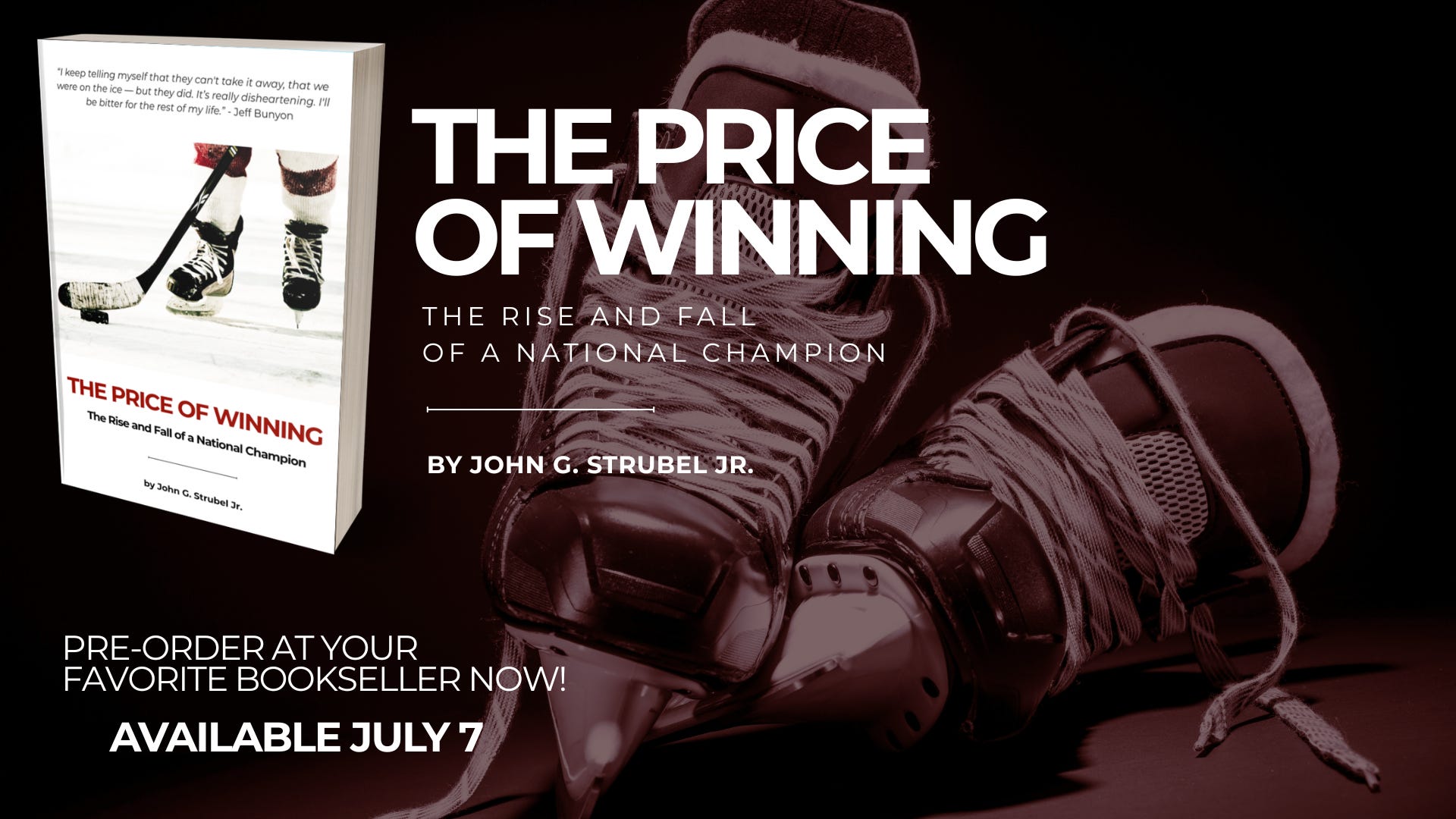
You can read a primer of my new book, The Price of Winning: The Rise and Fall of a National Champion, and a sample chapter to help you get familiar with the story’s key characters.
I hope you will consider subscribing to my newsletter to receive the latest updates and special features available exclusively in digital format.
Thanks for reading Strubel on Substack! Subscribe for free to receive new posts and support my work.